
The six Aarogya products in the Monsoon Essentials collection that address external skin and hair care are organised below by the specific problem they solve. This is not a one-size-fits-all category: Kuppintaku Soap does something the Herbal Soap does not, and Shata Dhauta Ghrita addresses something the Foot Cream does not. The right product for each problem, used consistently, is what makes the difference.
🦠 Problem 1: Fungal Infections, Skin Rashes & Acne
The combination of heat and humidity creates the ideal environment for dermatophytes — the fungi responsible for ringworm (mangu), athlete's foot, jock itch, and various other skin infections that peak every monsoon. Wet clothes, shoes that don't dry overnight, and skin that stays damp for extended periods all contribute to fungal overgrowth.
Acne also worsens in monsoon: humidity expands pores, sweat mixes with dead skin cells, and the warm damp environment accelerates bacterial growth on the skin. Two Aarogya soaps address these issues from different angles.
Kuppintaku (Acalypha indica) is a traditional South Indian medicinal herb — called Kuppaimeni in Tamil — specifically known for its anti-inflammatory, antimicrobial, and anti-fungal properties. It has been used in Ayurveda for skin conditions including eczema, psoriasis, and fungal infections for centuries. The Aarogya soap pairs it with Tea Tree Essential Oil — which has documented antifungal activity against common dermatophytes — and Neem Powder, one of Ayurveda's primary skin purifiers.
This is the right soap for: fungal skin conditions, eczema flares in monsoon, acne-prone skin, skin rashes from humidity, and oily skin types that need deep cleansing without a harsh surfactant.
1. Kuppintaku (Indian Nettle)
2. Neem Powder
3. Oats Powder
4. Tea Tree Essential Oil
5. Lavender Essential Oil
6. Sunflower Oil
7. Palm Oil
8. Castor Oil
Monsoon use protocol:Use twice daily. On areas prone to fungal infection (feet between toes, underarms, groin): allow the lather to stay on for 60–90 seconds before rinsing, rather than rinsing immediately. This extended contact time improves the antimicrobial and antifungal action. For acne-prone facial skin: use the lather only (not the bar directly on the face) in gentle upward circles, then cool-water rinse.
Shop Kuppintaku Soap →
The Herbal Soap is the broader daily-use option — suitable for both face and body, built on the traditional Sunnipindi (herbal bath powder) formula with Kasturi Turmeric, Rose Petal Powder, Tea Tree Oil, and Lavender Oil in a plant-oil base. Where Kuppintaku is targeted at active skin conditions, the Herbal Soap is the prevention and maintenance choice for people who want chemical-free cleansing without a specific skin concern to address.
The Kasturi Turmeric in this soap addresses the skin tone issues that monsoon's increased inflammation and humidity can cause — dullness, uneven tone, and the post-monsoon pigmentation that follows skin rashes and insect bites.
1. Herbal Bath Powder (Sunnipindi)
2. Kasturi Turmeric
3. Rose Petal Powder
4. Tea Tree Oil
5. Lavender Oil
6. Coconut Oil
7. Castor Oil
8. Sunflower Oil
🌧️ Problem 2: Hair Fall, Weak Roots & Scalp Issues
Seasonal hair fall in monsoon is a documented dermatological phenomenon called telogen effluvium — a stress-triggered shift in the hair growth cycle where more hair follicles enter the resting (and shedding) phase simultaneously. The triggers in monsoon are multiple: UV light changes, humidity affecting scalp health, and the nutritional depletion of summer. Most people notice increased hair fall from July onwards.
The scalp environment in monsoon also changes: higher humidity encourages Malassezia furfur (the fungus responsible for dandruff) and general scalp irritation. A oiled, damp scalp left unwashed for too long becomes a breeding ground for scalp infections
A coconut oil base infused with 20+ herbs including Hibiscus, Amla, Bhringraj, Fenugreek Seeds, Indigo, Henna, Aloe Vera, Rosemary, Curry Leaves, Tulsi, Kalonji, Vettiver, and Neem — every one of these has documented effects on hair follicle health, scalp circulation, or DHT suppression. Bhringraj is Ayurveda's primary hair herb; Hibiscus is the most studied botanical for reducing hair fall; Amla provides the Vitamin C that supports keratin synthesis.
The instruction to heat the oil before application is not optional aesthetics — warm oil penetrates the hair shaft and scalp more effectively than cold oil, and the gentle massage stimulates blood circulation to hair follicles that have entered the resting phase.
2. Amla
3. Bhringraj
4. Fenugreek Seeds
5. Coconut Oil
6. Rosemary
7. Kalonji
8. Neem
9. Curry Leaves
10. Vettiver
Amla, Reetha, and Shikakai are Ayurveda's original hair care trinity — used together in Indian households for generations before commercial shampoo existed. Amla provides Vitamin C and tannins that strengthen the hair shaft; Reetha is a natural saponin-based cleanser that removes oil and dirt without stripping the scalp's protective acid mantle; Shikakai (Acacia concinna) reduces hair fall and adds natural conditioning.
Crucially: this shampoo does not produce the heavy lather of SLS-based shampoos. This is not a defect — it is the result of using natural saponins rather than synthetic surfactants. For monsoon, this lower-lather formula is actually preferable: it cleanses effectively without the excessive stripping that leaves the scalp compensating by producing more oil (which then attracts more dirt and fungal growth).
1. Amla
2. Reetha
3. Shikakai
4. Hibiscus
5. Fenugreek Seeds
6. Rosemary
7. Flax Seeds
8. Aloe Vera
👣Problem 3: Cracked Heels & Rough Feet from Wet Ground
Walking on wet ground repeatedly — pavements, puddles, wet floors — causes a specific type of skin damage on the heels and soles that is different from dry-weather heel cracking. The repeated soaking and drying cycle leaches natural oils from the thick skin of the foot's pressure points, causing microcracks that deepen over weeks of monsoon exposure. Left untreated, these become painful fissures that can become infected — the damp environment accelerates bacterial and fungal colonisation of any skin break.
Built on a foundation of Shea Butter, Cocoa Butter, and Virgin Coconut Oil — the three most effective plant-based emollients for deep heel hydration. Neem Oil and Tea Tree Essential Oil add antimicrobial and antifungal protection (directly relevant to the infection risk in monsoon heel cracks). Calendula Extract accelerates skin repair and wound healing. Beeswax forms a protective film that locks moisture in and keeps environmental humidity out.
Vitamin E and Peppermint Essential Oil round out the formula — Vitamin E supports skin cell regeneration, while peppermint's cooling sensation is welcome relief for feet that have been in closed shoes in humid conditions all day.
1. Shea Butter
2. Cocoa Butter
3. Virgin Coconut Oil
4. Sesame Oil
5. Beeswax
6. Neem Oil
7. Calendula Extract
8. Tea Tree Oil
9. Vitamin E
10. Peppermint Oil
💧Problem 4: Skin Dryness, Pigmentation & Loss of Glow
It seems counterintuitive: how does skin become dry in monsoon when humidity is so high? The mechanism is specific: air conditioning, which most people use constantly in monsoon to escape the humidity, strips moisture from the indoor environment more aggressively than summer heat. The daily cycle of stepping into humid outdoor air and then spending hours in aggressively air-conditioned offices and transport creates a cycle of swelling and contraction in skin cells that eventually compromises the lipid barrier.
Additionally, the inflammatory responses that monsoon's fungal and bacterial exposure trigger leave behind post-inflammatory pigmentation — the dark spots and uneven tone that persist after a skin rash or infection has cleared. The traditional Ayurvedic answer is Shata Dhauta Ghrita: 100-times-washed ghee, the most ancient and complex skin moisturiser in the Indian pharmacopoeia.
The preparation process is what sets this apart from any other ghee product. Pure A2 cow ghee — made using the traditional Bilona method from A2 milk — is washed one hundred times in a copper vessel with potable water. Each washing cycle reduces the particle size of the fat molecules, making them lighter, more permeable, and more easily absorbed by the skin. The copper vessel transfers trace amounts of copper — which supports collagen and elastin production and provides additional antimicrobial properties.
The result is not a heavy, greasy ghee — it is a light, fluffy cream that absorbs into skin quickly. Ayurveda classifies ghee as Sheeta virya — cooling in nature — which is exactly what inflamed, irritated monsoon skin needs. It is simultaneously a moisturiser, a cooling agent, a collagen-support treatment, and an anti-ageing preparation in one product.
1. 100x Washed A2 Cow Ghee
2. Made in Copper Vessel
3. Traditional Bilona Method
4. No Additives
Apply a very small amount (a pea-size for the face) to clean, slightly damp skin. The thin layer absorbs within 2–3 minutes; it should not feel greasy if used in the right quantity. Can be used on face, neck, and around the eyes — the particle size after 100 washings makes it one of the very few preparations safe for the delicate under-eye area. For post-monsoon pigmentation: apply nightly to affected areas for 4–6 weeks alongside daily SPF use during the day.
The Internal-External Loop: Why Skin Problems Need Both Approaches
External products address the symptoms of monsoon skin problems. But Ayurveda identifies the root cause of most skin conditions as internal — specifically, blood toxicity (Rakta vikriti) and inflammation that originates in the gut and manifests on the skin surface.
Surface Treatment
- Kuppintaku Soap — antifungal, antibacterial cleansing
- Herbal Soap — brightening, toning, daily maintenance
- Herbal Hair Oil — follicle nourishment, scalp circulation
- Herbal Shampoo — sulphate-free cleansing, dandruff prevention
- Foot Cream — heel repair, antifungal protection
- Shata Dhauta Ghrita — deep moisturisation, cooling, collagen support
Root Cause Treatment
- Nannari Sharbath — blood-cooling, skin clarity from within
- Lakadong Turmeric — anti-inflammatory, reduces post-inflammatory pigmentation
- Amla Candy — Vitamin C for collagen synthesis and skin barrier
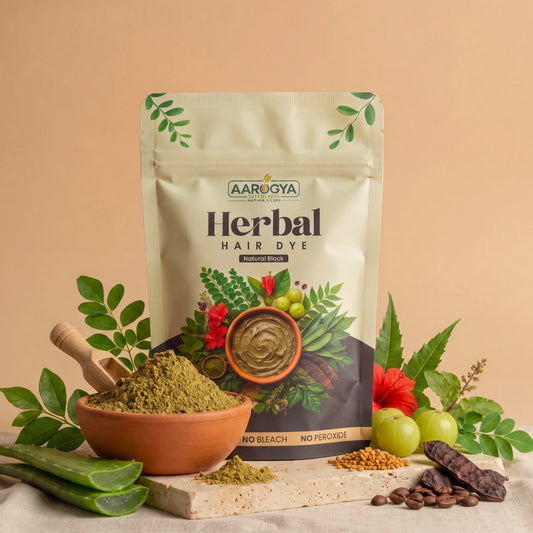
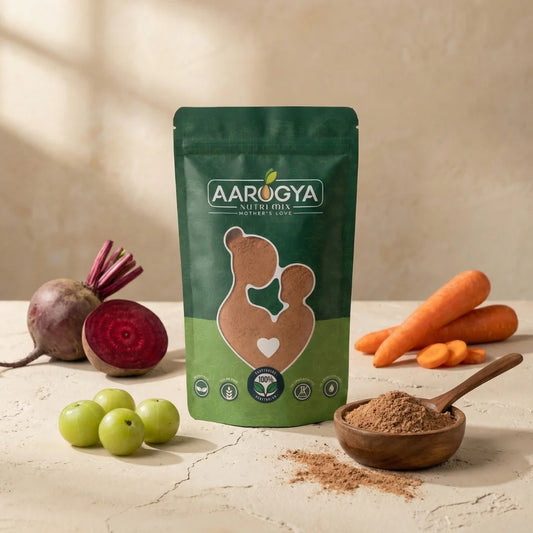
- ABC Powder — Amla, Beetroot, Carrot for skin glow from within
- Moringa Powder — antioxidant protection, supports skin cell turnover
Frequently Asked Questions
Q1. Can I use the Kuppintaku Soap on my face?
Yes — the formula is sulphate-free and contains oats powder which soothes sensitive facial skin. It is particularly suitable for acne-prone or oily facial skin in monsoon. Use the lather on the face rather than rubbing the bar directly; rinse with cool water. People with very dry facial skin may prefer the Herbal Soap or Shata Dhauta Ghrita instead.
Q2. How long before the Herbal Hair Oil shows results on hair fall?
Visible results on hair fall reduction typically appear after 3–4 months of regular use — twice weekly oiling combined with the Herbal Shampoo. Hair growth cycles are 3–4 months long, so any intervention takes at least one cycle to show measurable change. The important thing is consistency: twice a week, every week, with proper hot-towel technique.
Q3. Is Shata Dhauta Ghrita safe for oily skin in monsoon?
This is a common concern, but the 100-washing process changes the texture and absorption profile of the ghee significantly. It does not behave like applying raw ghee to oily skin. A very small amount — genuinely pea-sized — applied to slightly damp skin absorbs in 2–3 minutes without leaving a greasy residue. Start with a tiny amount to test; if skin still feels oily, reduce further or apply only at night.
Q4. My fungal infection keeps recurring every monsoon. Will the Kuppintaku Soap prevent it?
Consistent use of Kuppintaku Soap — particularly the extended-lather protocol on vulnerable areas — significantly reduces the risk of recurrence by reducing the fungal load on skin before it reaches the critical mass needed for an active infection. However, if you have a severe or persistent fungal infection, you need antifungal medication as well; herbal soap is preventive and supportive, not a treatment for active severe infections.
Q5. Can the Foot Cream be used on hands as well?
Yes — the formula is designed for the thickest skin on the body (heels) but works well on any dry, rough skin including knuckles and elbows. In monsoon, frequent hand-washing (important for hygiene) strips hand skin of oils; a small amount of Foot Cream on the back of the hands overnight helps. It is not formulated as a facial moisturiser — use Shata Dhauta Ghrita for the face.
Six products. Four monsoon skin problems. All solved.
From fungal infections to cracked heels to hair fall — there is a specific Aarogya product for each one.
Full Skin Care Range Monsoon Essentials →