
Quick Answer
Sprouted sattu is a roasted flour made from sprouted grains and legumes, most commonly Bengal gram (chana), barley, or a multigrain blend. Sprouting before roasting significantly increases its protein digestibility, bioavailable iron, and fiber content compared to regular sattu. It is one of the most nutrient-dense, preservative-free health foods from the Indian pantry, and in 2026, health-conscious consumers are rediscovering it as a practical, affordable alternative to expensive imported protein powders.
Key Takeaways
- Sprouted sattu has higher nutrient bioavailability than regular sattu because sprouting breaks down anti-nutrients like phytic acid.
- It is a strong source of plant-based protein, complex carbohydrates, dietary fiber, and minerals like iron and magnesium.
- Sprouted sattu may help support healthy weight management, steady blood sugar levels, and improved gut health.
- It is suitable for a wide range of people: working adults, children, pregnant women, diabetic-conscious consumers, and the elderly.
- It can be consumed as a drink, mixed into rotis, added to smoothies, or used in traditional recipes like litti.
- Unlike many commercial protein supplements, sprouted sattu is typically preservative-free and made from traditional Indian superfoods.
- It pairs well with other general health nutrition blends for a complete daily wellness routine.
What Is Sprouted Sattu and How Is It Different from Regular Sattu?
Sprouted sattu is made by first sprouting raw grains or legumes, then roasting and grinding them into a fine flour. Regular sattu skips the sprouting step entirely.
That difference matters more than it sounds. Sprouting activates enzymes that break down phytic acid, an anti-nutrient that blocks the absorption of iron, zinc, and calcium. The result is a flour with better digestibility, higher available protein, and improved mineral absorption compared to unsprouted versions.
Key differences at a glance:
| Feature | Regular Sattu | Sprouted Sattu |
|---|---|---|
| Phytic acid content | Higher | Significantly lower |
| Protein digestibility | Moderate | Higher |
| Iron bioavailability | Limited | Improved |
| Glycemic response | Moderate-low | Low |
| Gut friendliness | Good | Better |
Sprouted Sattu Benefits: Why This Traditional Superfood is Making a Comeback
Sprouted sattu benefits go well beyond basic nutrition. Here is what regular consumption may support:
1. High-Quality Plant-Based Protein
Sprouted chana sattu contains roughly 20–25 grams of protein per 100 grams (source: IFCT, Indian Food Composition Tables, 2017). For vegetarians and vegans, this makes it one of the most accessible plant-based protein sources in the Indian diet — no expensive imports needed.
2. Gut Health and Digestive Comfort
The dietary fiber in sprouted sattu acts as a prebiotic, feeding beneficial gut bacteria. People dealing with constipation or sluggish digestion often find sattu drinks helpful as a morning ritual. Explore products designed to support gut and digestive health if this is a concern.
3. Steady Energy Without Spikes
Sprouted sattu has a low glycemic index. It releases glucose slowly into the bloodstream, which supports sustained energy without the mid-morning crash that refined carbohydrates cause. This makes it a practical choice for working professionals and students.
4. Iron and B-Complex Support
Sprouted legumes are a meaningful source of non-heme iron and B vitamins. Sprouting improves the absorption of both. For individuals managing iron deficiency or B-complex deficiency, sprouted sattu can be a useful dietary addition alongside targeted nutrition.
5. Cooling and Hydrating in Summer
Sattu sharbat (a cold drink made with sattu, water, lemon, and black salt) has been a staple summer drink in Bihar and Uttar Pradesh for generations. It helps the body stay cool and replenishes electrolytes naturally.
6. Bone-Supportive Minerals
Sprouted sattu contains magnesium, phosphorus, and calcium — minerals that contribute to bone density. Paired with a bone strength nutrition plan, it can complement a well-rounded approach to skeletal health.
Can Sprouted Sattu Help with Weight Loss or Weight Gain?
Yes, but the outcome depends on how it is used. Sprouted sattu supports both goals because of its protein and fiber density.
For weight loss:
- High fiber keeps you fuller for longer, reducing the urge to snack.
- Protein supports lean muscle retention during a calorie deficit.
- A sattu drink before meals may reduce overall calorie intake at that meal.
- It qualifies as one of the better healthy weight loss snacks from traditional Indian food culture.
For weight gain (lean muscle):
- Consumed post-workout with milk or a banana, sprouted sattu provides a protein-carbohydrate combination that supports muscle recovery.
- Adding ghee or jaggery increases caloric density without resorting to processed foods.
Choose sprouted sattu for weight loss if: you want a filling, low-glycemic breakfast or snack replacement.
Choose it for weight gain if: you need a clean, whole-food protein source to stack calories from quality nutrients.
Is Sprouted Sattu Good for Diabetic-Conscious Consumers?
Sprouted sattu is one of the better grain-based options for people managing blood sugar. Its low glycemic index and high fiber content slow glucose absorption, which may help prevent sharp post-meal blood sugar spikes.
It is also naturally free from added sugars and artificial additives when sourced from a quality, preservative-free brand. For a broader diabetic-friendly health mix approach, sattu works well as part of a structured meal plan.
Practical tip: Mix sprouted sattu with water, a pinch of roasted cumin, and black salt rather than adding sugar or jaggery if blood sugar management is the goal.
Who Should Use Sprouted Sattu? (And Who Should Be Cautious)
Well-suited for:
- Working adults needing quick, high-protein breakfasts
- Children above 2 years as part of a kids' health nutrition plan
- Pregnant and lactating women seeking iron and protein (consult a doctor for quantities)
- Elderly individuals who need easy-to-digest nutrition
- Athletes and fitness enthusiasts looking for plant-based protein
- Diabetic-conscious consumers managing glycemic load
Use with caution if:
- You have a diagnosed chickpea or legume allergy.
- You have kidney disease — high protein intake may need to be monitored.
- Infants under 6 months should not consume sattu; consult a pediatrician for babies between 6–12 months.
How to Use Sprouted Sattu Daily: Simple and Practical Ways
Sprouted sattu is versatile. Here are the most common and effective ways to use it:
- Sattu sharbat — Mix 2–3 tablespoons in cold water with lemon juice, black salt, and roasted cumin. Drink on an empty stomach or before a meal.
- Sattu roti — Replace up to 30% of wheat flour with sprouted sattu flour for a protein-boosted flatbread.
- Smoothie booster — Blend with banana, milk (or plant milk), and a small amount of honey for a post-workout drink.
- Litti stuffing — The traditional Bihar dish uses sattu as a spiced filling baked inside dough balls.
- Porridge — Cook with warm water or milk for a filling breakfast, similar to a protein-rich daliya.
Recommended daily amount: 2–4 tablespoons (30–60 grams) for adults, depending on dietary goals. Start with a smaller amount if new to high-fiber foods.
Sprouted Sattu Benefits: Why This Traditional Superfood is Making a Comeback in 2026
The renewed interest in sprouted sattu is not accidental. Several converging factors explain why this ancient grain flour is back in the spotlight:
- Rising protein awareness — More Indians are actively seeking affordable, plant-based protein sources.
- Distrust of ultra-processed foods — Consumers are moving toward preservative-free health food with recognizable ingredients.
- Functional food movement — Sattu fits the definition of a functional food: it provides benefits beyond basic calories.
- Ayurvedic and traditional food revival — There is growing cultural pride in rediscovering traditional Indian superfoods that were sidelined during decades of processed food marketing.
- Affordability — Compared to whey protein or imported superfoods, sprouted sattu is accessible to most Indian households.
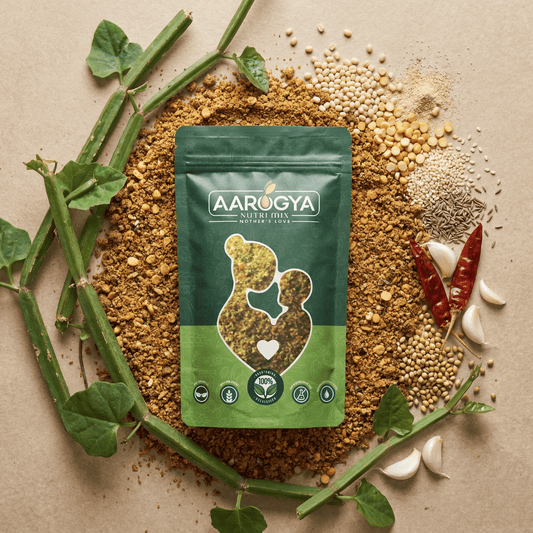
Brands like Aarogya Nutri Mix are meeting this demand with quality sprouted flour blends that are clean, traceable, and rooted in traditional preparation methods.
FAQ: Sprouted Sattu Benefits
Q: Can sattu help in weight loss?
Yes. Sprouted sattu is high in fiber and protein, both of which support satiety and reduce overall calorie intake. A sattu drink before meals or as a breakfast replacement may support a calorie-controlled diet. Explore weight management blends for a complete approach.
Q: Is sprouted sattu better than regular sattu?
Yes, for most purposes. Sprouting reduces anti-nutrients, improves protein digestibility, and increases the bioavailability of iron and zinc compared to unsprouted sattu.
Q: Can children eat sprouted sattu?
Children above 2 years can consume sprouted sattu as part of a balanced diet. It works well mixed into rotis, porridge, or smoothies. Check kids' special nutrition products for age-appropriate blends.
Q: Is sattu safe during pregnancy?
Sprouted sattu is a good source of protein and iron, both of which are important during pregnancy. However, quantities should be discussed with a healthcare provider. See pregnancy care nutrition for targeted support.
Q: Does sattu cause gas or bloating?
Some people experience mild bloating when starting sattu, especially if their gut is not used to high-fiber foods. Start with a smaller amount and increase gradually. Drinking it with ajwain (carom seeds) or cumin may help reduce this effect.
Q: How is sprouted sattu different from protein powder?
Sprouted sattu is a whole food with protein, fiber, carbohydrates, and micronutrients. Commercial protein powders are isolated and often contain additives. Sattu is less concentrated in protein per gram but offers a broader nutritional profile.
Q: Can diabetic individuals eat sattu every day?
Sprouted sattu has a low glycemic index and is generally considered suitable for diabetic-conscious diets. Avoid adding sugar. Consult a dietitian for personalized guidance, and explore diabetic care blends for complementary options.
Q: What is the best time to drink sattu?
Morning on an empty stomach or 30 minutes before a meal are the most commonly recommended times. Post-workout consumption (with milk or banana) is also effective for muscle recovery.
Conclusion
Sprouted sattu is not a new discovery — it is a rediscovery. For generations, Indian households in Bihar, Uttar Pradesh, Rajasthan, and beyond relied on this humble flour for energy, nutrition, and cooling relief. Modern nutrition science now confirms what traditional wisdom already knew: sprouting improves digestibility, increases protein quality, and makes minerals more accessible to the body.
Whether the goal is weight management, better gut health, steady energy, or simply a clean and affordable protein source, sprouted sattu delivers without the complexity of supplement regimens or the cost of imported superfoods.
Actionable next steps:
- Start with one sattu drink daily (2 tablespoons in water with lemon and black salt) for two weeks and observe how your body responds.
- Browse Aarogya's sprouted flour collection for quality, preservative-free sprouted sattu blends.
- Pair with a general health nutrimix for a more complete daily nutrition routine.
Traditional foods earn their place back at the table when they work. Sprouted sattu does.